
Product Support
- message us now
Message us now!

Upgrading the cable on your earphones (IEMs) or headphones is one of the most accessible ways to improve comfort, durability, connectivity, and—subjectively—sound character. Stock cables are often thin, microphonic, or limited to a single termination. A well-chosen aftermarket cable can fix those issues and let you match the cable to your source (phone, DAP, or desktop amp) and personal sound preferences.
At AEHIFI we specialize in high-value upgrade cables (including Yongse factory OCC copper, silver-plated, hybrid, and graphene-shielded designs). This guide walks through the practical factors that actually matter when choosing one.
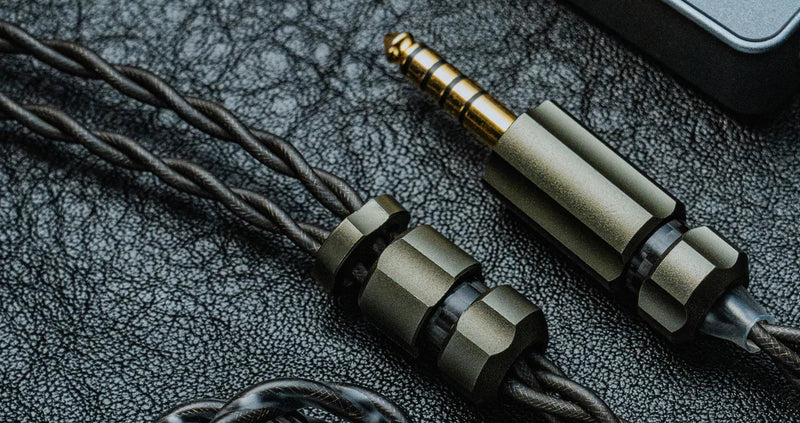
Regardless of whether you believe an audiophile upgrade cable can meaningfully change the sound, you still need a properly engineered cable as a foundation—one with low electrical resistance, clean and consistent soldering, and reliable manufacturing standards.
A poorly made cable introduces unnecessary resistance, weak or intermittent connections, and inconsistent performance that can degrade signal integrity, raise the noise floor, or simply fail prematurely. Even if the sonic differences between high-end cables remain subjective, basic electrical and mechanical quality is not: low resistance, solid strain relief, proper soldering, and consistent construction are non-negotiable starting points for any reliable listening chain.

Nothing else matters if the cable won’t connect.
Headphone / IEM end (most critical):
Source / player end:
Many modern cables offer modular or dual-termination options so you can switch between 3.5 mm and 4.4 mm. Always double-check your specific model’s connector type against the product page or manual before ordering.
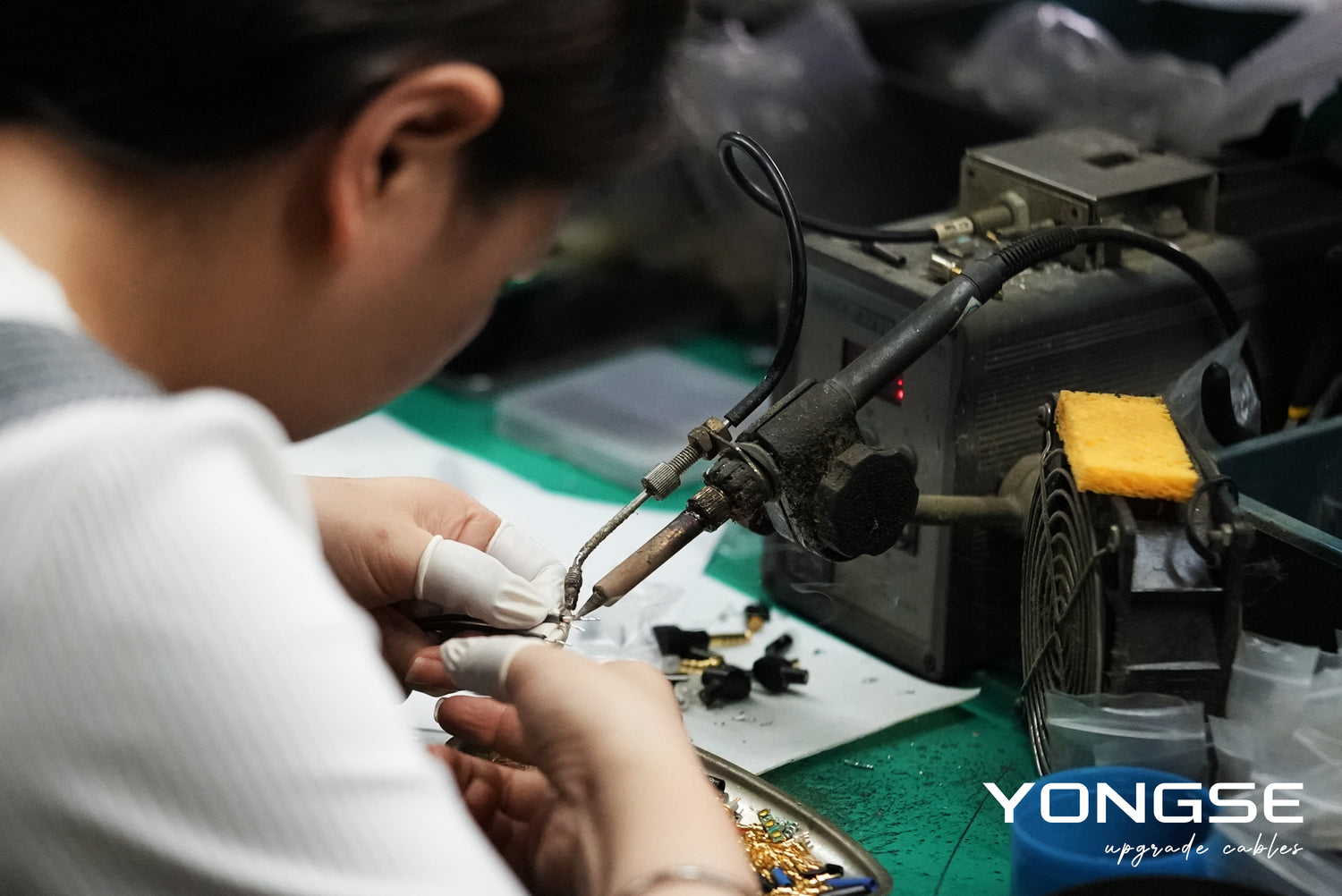
Material is the most discussed (and debated) aspect. High-purity metals reduce resistance and can influence perceived tonality:
| Material | Typical Sound Character | Best Paired With | Notes |
|---|---|---|---|
| Pure / OCC / OFC Copper | Warm, natural, fuller bass, smooth mids | Bright or analytical IEMs/headphones | Safest, most versatile choice |
| Silver-Plated Copper (SPC) | Clearer treble, tighter bass, more detail | Warm or dark-sounding gear | Excellent mid-range option |
| Pure Silver | High resolution, airy, extended highs | Dark or thick-sounding setups | More expensive; can sound lean if overdone |
| Hybrids (Cu + SPC, graphene-shielded, etc.) | Tuned balance of warmth + clarity | Versatile; depends on the specific formula | Common in value-oriented lines like Yongse |
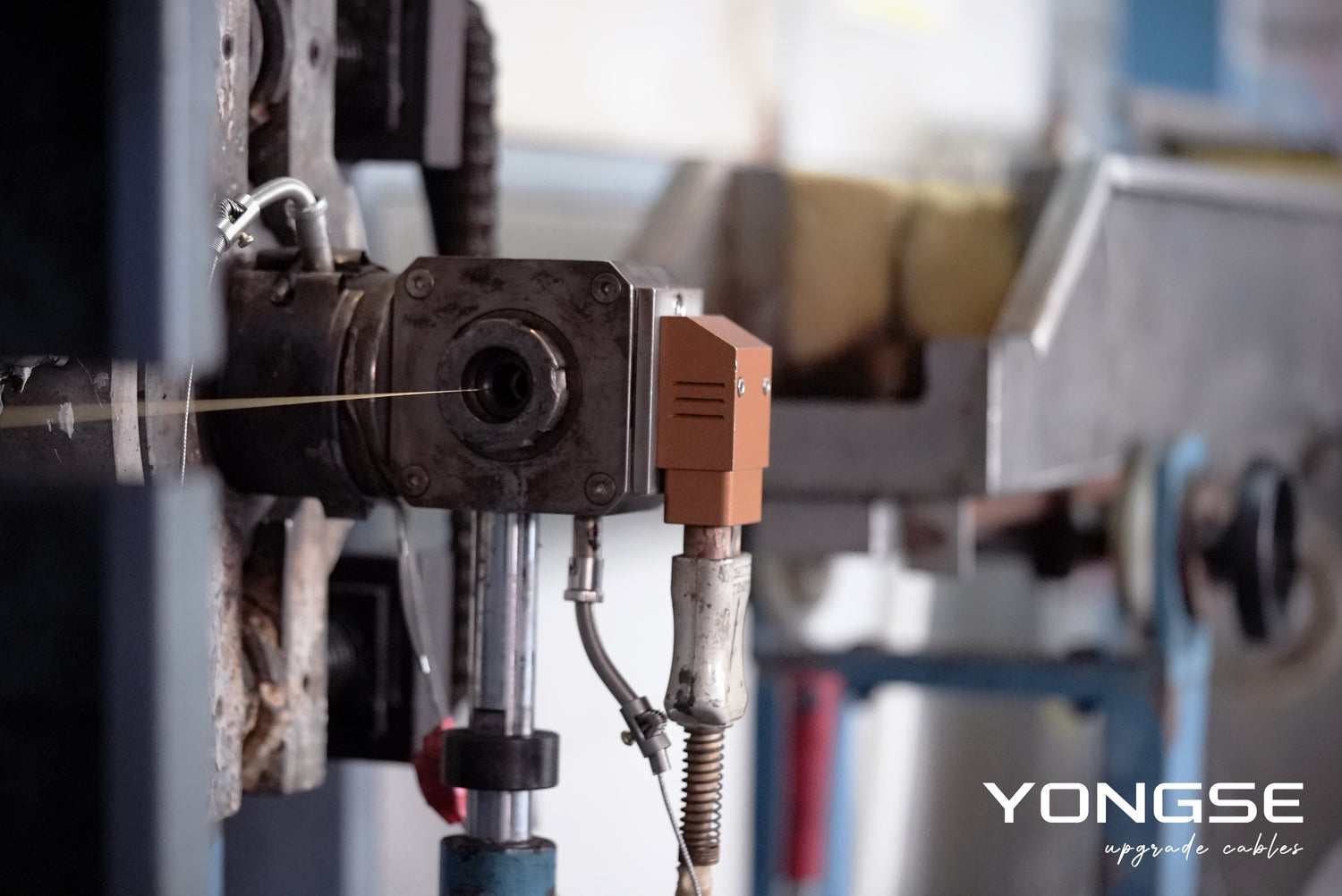
Practical advice:
Real-world differences are usually subtle and system-dependent. Ergonomics and correct termination often deliver more noticeable benefits than exotic alloys.
Comfort for long listening sessions often matters more than marginal sonic differences.
If your source has a balanced output (4.4 mm or 2.5 mm), a balanced cable can offer lower noise, better channel separation, and higher power delivery on many DAPs and portable amps. Single-ended 3.5 mm remains the most compatible option. Modular cables let you switch easily.
A good rule of thumb is to keep the cable in the 10–30 % range of the headphone/IEM price, but prioritize your actual needs (termination, comfort, durability) over chasing the highest purity rating.
An upgrade cable is rarely a night-and-day transformation, but the right one can make your earphones or headphones more enjoyable to use every day—better fit, fewer tangles, correct termination for your gear, and a subtle shift toward the sound signature you prefer. Focus first on compatibility and ergonomics, then fine-tune with material.
At AEHIFI you’ll find a range of Yongse and other carefully selected upgrade cables covering pure OCC copper, silver-plated, hybrid, and shielded designs with the most common terminations. Browse the collection, match the connectors, and choose the cable that fits both your setup and how you actually listen.


